The "Pre-Out to Main-In" Bridge: Integrating a Vintage Powerhouse into Your Modern Home Theater
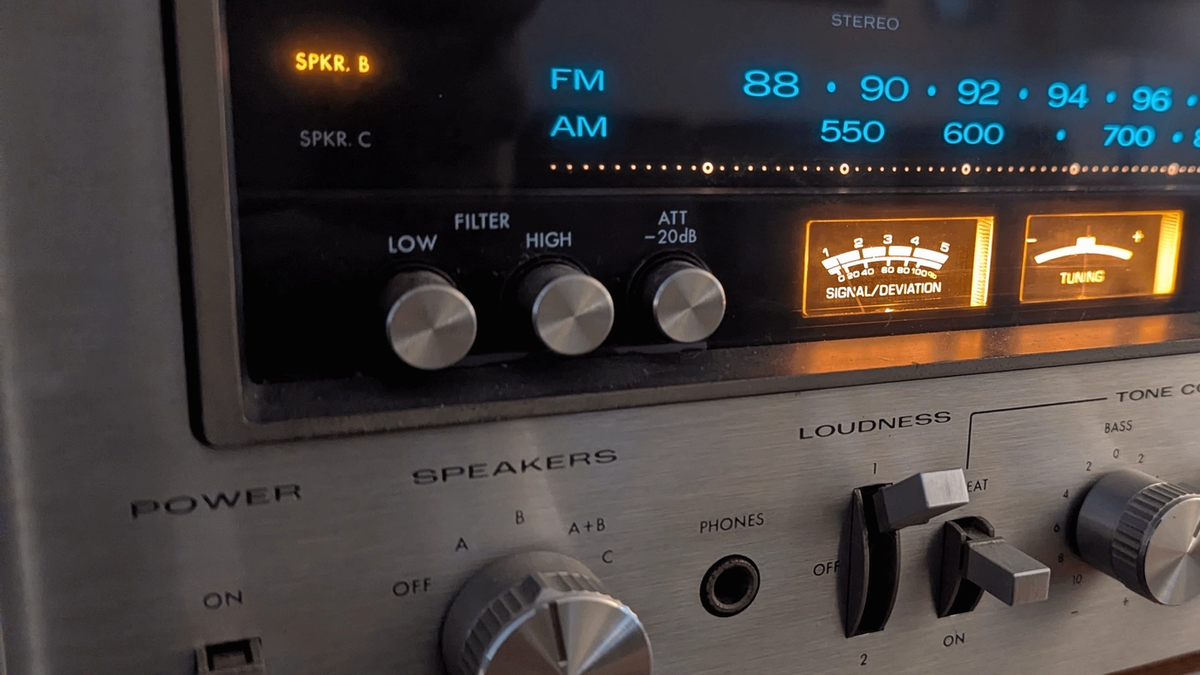
Connecting a Vintage Receiver or Amplifier to a Modern AVR for Superior Front Channel Performance
Are you a lover of vintage audio equipment but still crave the latest surround sound technologies and HDMI connectivity? Many audiophiles find themselves in this delightful dilemma. The solution lies in leveraging your vintage receiver or amplifier for what it does best – powering your main front left and right speakers with its warm, robust, and often powerful analog amplification – while allowing a modern Audio/Video Receiver (AVR) to handle all the digital processing, video switching, and surround sound decoding. This "Pre-Out to Main-In" bridge setup is a fantastic way to enjoy the best of both worlds, giving your home theater an authentic, high-fidelity punch where it matters most.
Understanding the Concept:
The core idea is to bypass the preamplifier section of your vintage unit. A traditional integrated amplifier or receiver has two main sections: a preamplifier (which handles input selection, volume control, and tone adjustments) and a power amplifier (which boosts the signal to drive speakers). Many vintage units feature removable "jumpers" or switches on their rear panel, allowing you to separate these two sections.
By connecting the "Pre-Out" jacks of your modern AVR to the "Main-In" or "Amp In" jacks of your vintage component, you're essentially using your AVR as the primary preamplifier (for all sources and volume control) and your vintage unit purely as a dedicated power amplifier for your front channels. This means your AVR will manage all source switching (Blu-ray, streaming, gaming consoles via HDMI), decode multi-channel audio (Dolby Atmos, DTS:X), and control the overall system volume. The beautiful sound of your vintage amplifier, however, will be what drives your main speakers.

Why this setup is ideal:
- Preserve Vintage Sound: Experience the unique sonic signature and often superior analog amplification of classic gear.
- Modern Features: Access HDMI switching, 4K/8K video passthrough, immersive surround sound formats, and advanced room correction from your AVR.
- Reduced Heat/Stress: Your vintage unit only powers the front two channels, potentially extending its lifespan.
- Upgrade Path: Allows you to upgrade your AVR for new technologies without sacrificing your beloved vintage amplifier.
Potential Downsides:
- Requires "Pre-Outs" on AVR: Your modern AVR must have dedicated RCA "Pre-Outs" for at least the front left and right channels. Not all entry-level AVRs have this feature.
- Requires "Main-In" on Vintage Amp: Your vintage receiver/amplifier must have separate "Main-In," "Amp In," or "Power Amp In" jacks, typically identified by removable jumpers connecting them to "Pre-Out."
- No Vintage Preamplifier Control: The vintage unit's volume, balance, and tone controls will be bypassed for the front channels in this setup. All control comes from the AVR.
- Power On/Off: You'll need to power on both your AVR and your vintage amplifier each time you want to listen.
Connection Guide:
- Locate "Pre-Outs" on AVR: Identify the "Front Left" and "Front Right" RCA "Pre-Out" jacks on the back of your modern AVR.
- Locate "Main-In" on Vintage Amp: On your vintage receiver or integrated amplifier, find the "Main In," "Amp In," or "Power Amp In" RCA jacks. These are often paired with "Pre Out" jacks and connected by metal jumpers (U-shaped pins or a switch).
- Remove Jumpers: Carefully remove the metal jumpers connecting the "Pre Out" and "Main In" jacks on your vintage unit. Store them safely in case you ever want to revert to the original setup.
- Connect RCA Cables: Use high-quality RCA interconnects to connect the "Front Left Pre-Out" of your AVR to the "Main-In" (Left) of your vintage amp, and the "Front Right Pre-Out" of your AVR to the "Main-In" (Right) of your vintage amp.
- Connect Front Speakers: Connect your main front left and right speakers directly to the speaker terminals of your vintage receiver/amplifier.
- Connect Other Speakers: Connect your center, surround, and height speakers (if applicable) to the speaker terminals of your modern AVR.
- Subwoofer Connection: Connect your powered subwoofer to the "Subwoofer Out" or "LFE Out" jack on your modern AVR.
Once connected, power on both units, run your AVR's room calibration (e.g., Audyssey, MCACC, YPAO), and enjoy the powerful blend of old-school amplification with cutting-edge home theater processing!